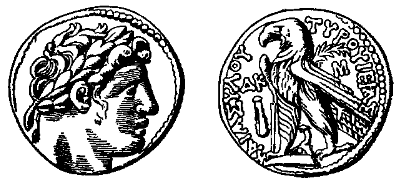
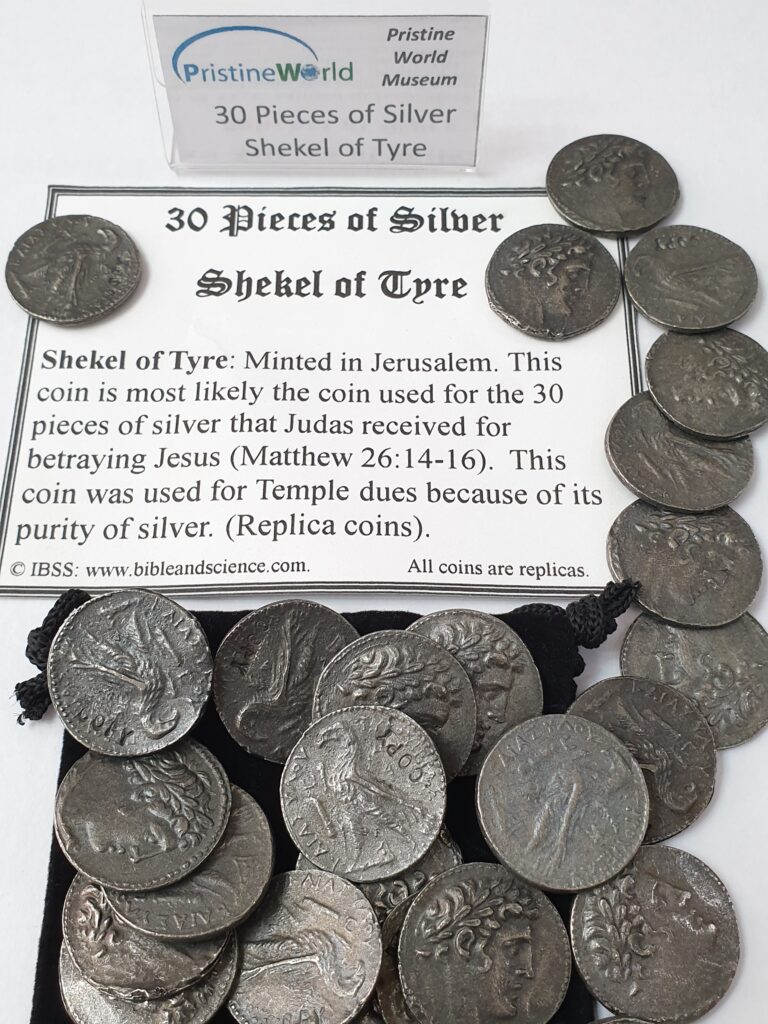
A Tyrian Shekel, a possible candidate for the "pieces of silver"
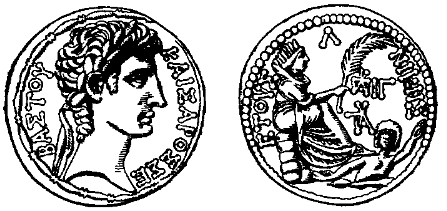
Antiochan Stater, another candidate for "pieces of silver"
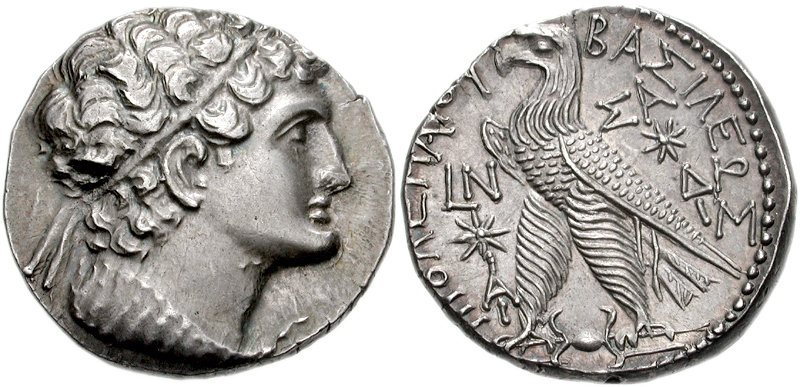
A Ptolemaic tetradrachm
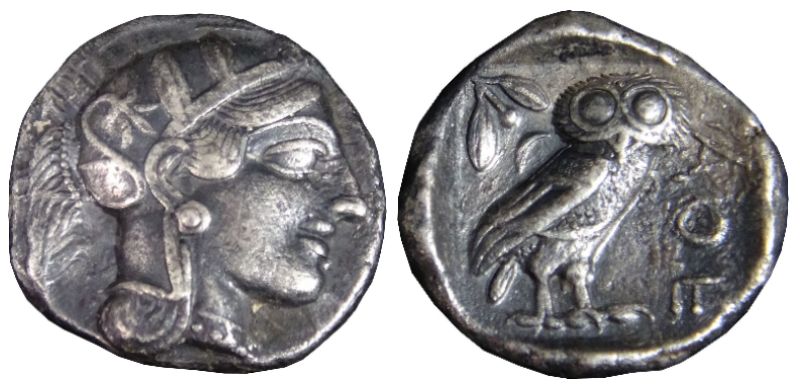
Athenian tetradrachm, by Numismati, CC BY-SA 4.0 , via Wikimedia Commons
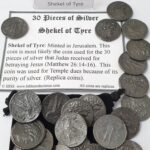
In the Bible, it is mentioned that Judas Iscariot was paid “30 pieces of silver” to betray Jesus to the Jewish authorities, ultimately leading to his arrest and death.
According to Wikipedia, there are four possible candidates for the “pieces of silver” used to pay Judas. They are the Tyrian Shekel, the Antiochan Stater, the Ptolemaic tetradrachm, and the Athenian tetradrachm.
Among them, the Ptolemaic tetradrachm has the lowest silver content, at 25%, and hence 30 pieces of Ptolemaic tetradrachm would be worth around 90 USD at today’s silver spot prices. The other coins had higher silver purity and were worth around 300-400 USD at today’s silver value.
The Athenian tetradrachma was equal to the value of 4 drachmas; a drachma was supposedly the daily wage of a skilled labourer; hence “30 pieces of silver could be worth 120 days wages.
In Matthew 27, it is mentioned that Judas, feeling extremely guilty, later offered to return the coins to the chief priests. However, the chief priests refuse to accept it, and Judas throws the money into the temple and later hangs himself. The money is then used to buy a field as the burial place of foreigners.
Other mentions in the Bible include:
Zechariah is paid 30 pieces of silver and he “threw them to the potter” (Zechariah 11:12-13, NIV)
30 shekels of silver is the compensation if a slave is killed by a bull. The owner of the bull has to pay this amount to the owner of the slave. (Exodus 21:32, NIV)
However, the silver coins mentioned in other parts of the Bible are not the same as the ones used by Judas and probably have different values.
The word “Mesopotamia” derives from the words “Meso” meaning in between, and “Potamos” meaning river or stream, referring to the land between the Tigris and Euphrates rivers.
Ancient Mesopotamia was the cradle of early civilisation, and was part of the Fertile Crescent.
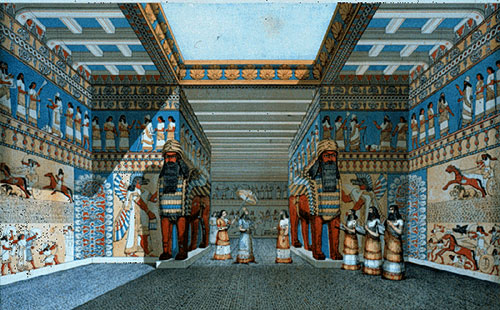
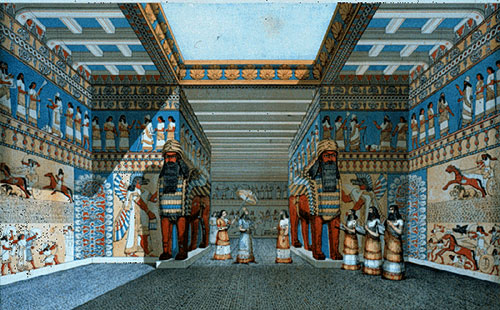
The picture on the left depicts the Northwest Palace of King Ashurnasirpal II of Assyria (883-859 BC). It was drawn by Austen Henry Layard around 150 years ago and supposedly envisions the throne room of the king, with his servants attending him.
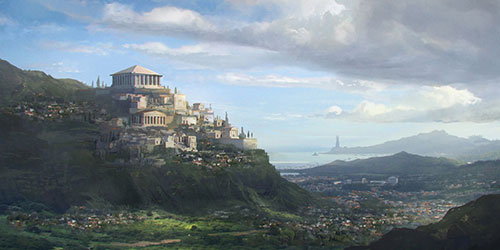
Athens is the capital of Greece and is one of the world’s oldest cities, with its recorded history extending to 3400 years ago, although it is supposed that humans first inhabited it 9000 to 13000 years ago.
In the Bible, Athens was visited by Paul during his second missionary journey, after the Jews from Thessalonica tried to stir up the people of Berea against Paul.
Some notable locations in Athens include the Parthenon, the Acropolis of Athens, and the Areopagus, the last of which is also mentioned in the book of Acts in the Bible.
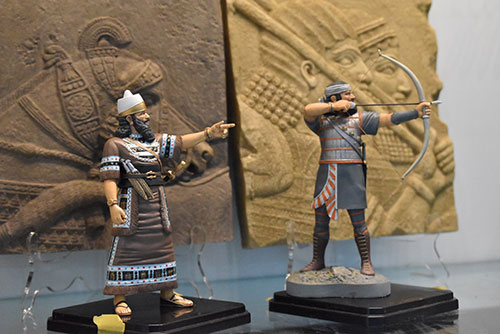
Archery was used for both hunting and warfare in Babylon. In the army, archers could be found both on foot and on chariots, and played an integral role in the army.
On the chariots, there would typically be two riders, the driver and the archer.
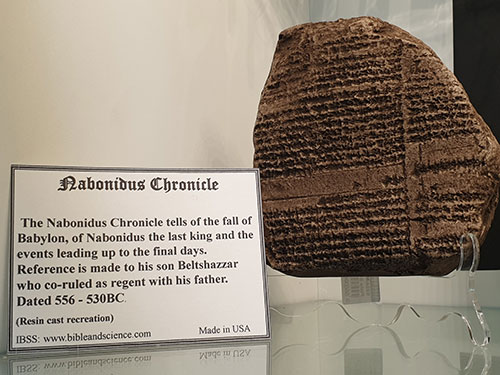
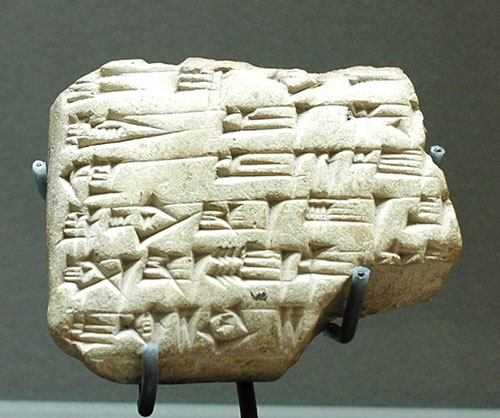
The Babylonian Chronicles are tablets that record major events in the history of Babylon.
This particular tablet is known as the Jerusalem Chronicle. It tells of the battle of Charchemish in 605 B.C. where Nebuchadnezzar defeated Pharaoh Necho of Egypt, as well as a revolt in Babylonia itself, where Nebuchadnezzar killed many of his own people. It also records Nebuchadnezzar’s accession to the throne and his capture of Jerusalem in 598 BC.
Photo Attribution: Poulpy, CC BY-SA 3.0 , via Wikimedia Commons
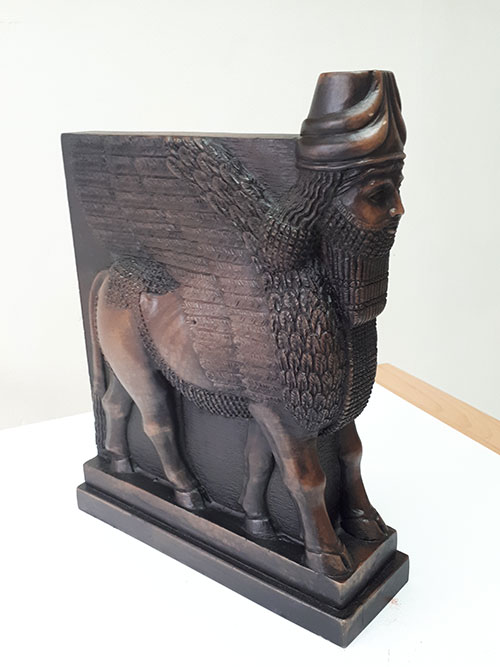
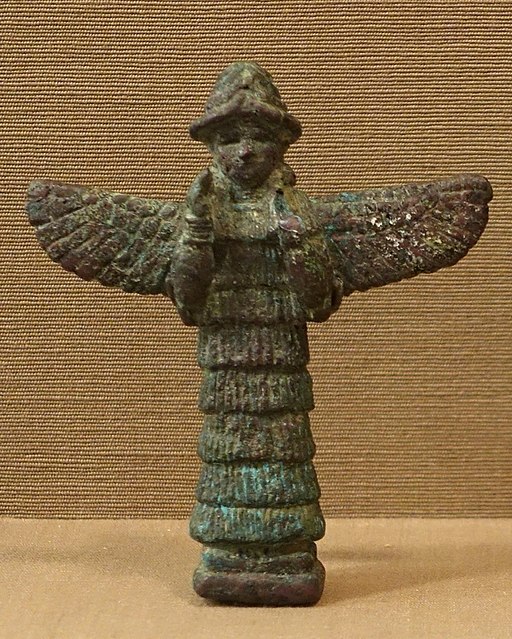
Lamma Representation from 2000-1800BC (Isin-Larsa Period)
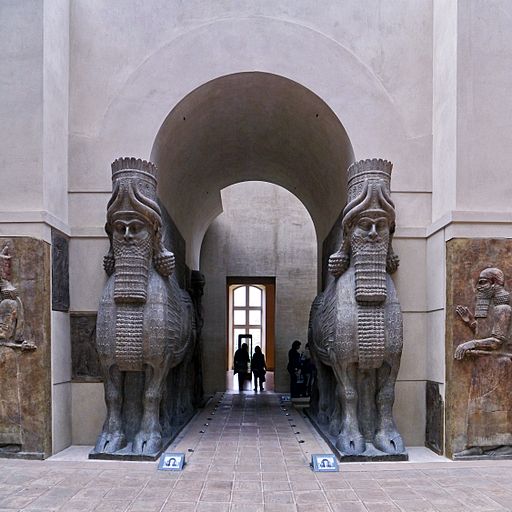
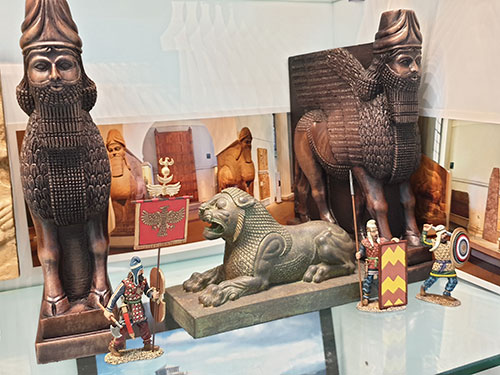
Also known as a Lamassu or just Lama, they are ancient Sumerian protective deities, sometimes placed as paired sentinels to the entrances of Royal Palaces.
They are depicted as hybrids, with the head of a human male, and bodies of either winged bulls or winged lions.
They are a celestial being from the ancient Mesopotamian religion, sometimes with the ears and horn of a bull, besides their bull-like body and human head.
In the Bible, the Prophet Ezekial mentions seeing a creature with “four faces and four wings…Each of the four had the face of a human being, and on the right side each had the face of a lion, and on the left the face of an ox; each also had the face of an eagle” (Ezekial 1:6,10 NIV)
In Revelations, there is also mention of four creatures, “covered with eyes, in front and in back.7 The first living creature was like a lion, the second was like an ox, the third had a face like a man, the fourth was like a flying eagle.” (Revelations 4:6-7 NIV)
These Bible references bear similarities to the Babylonian Lamassu.